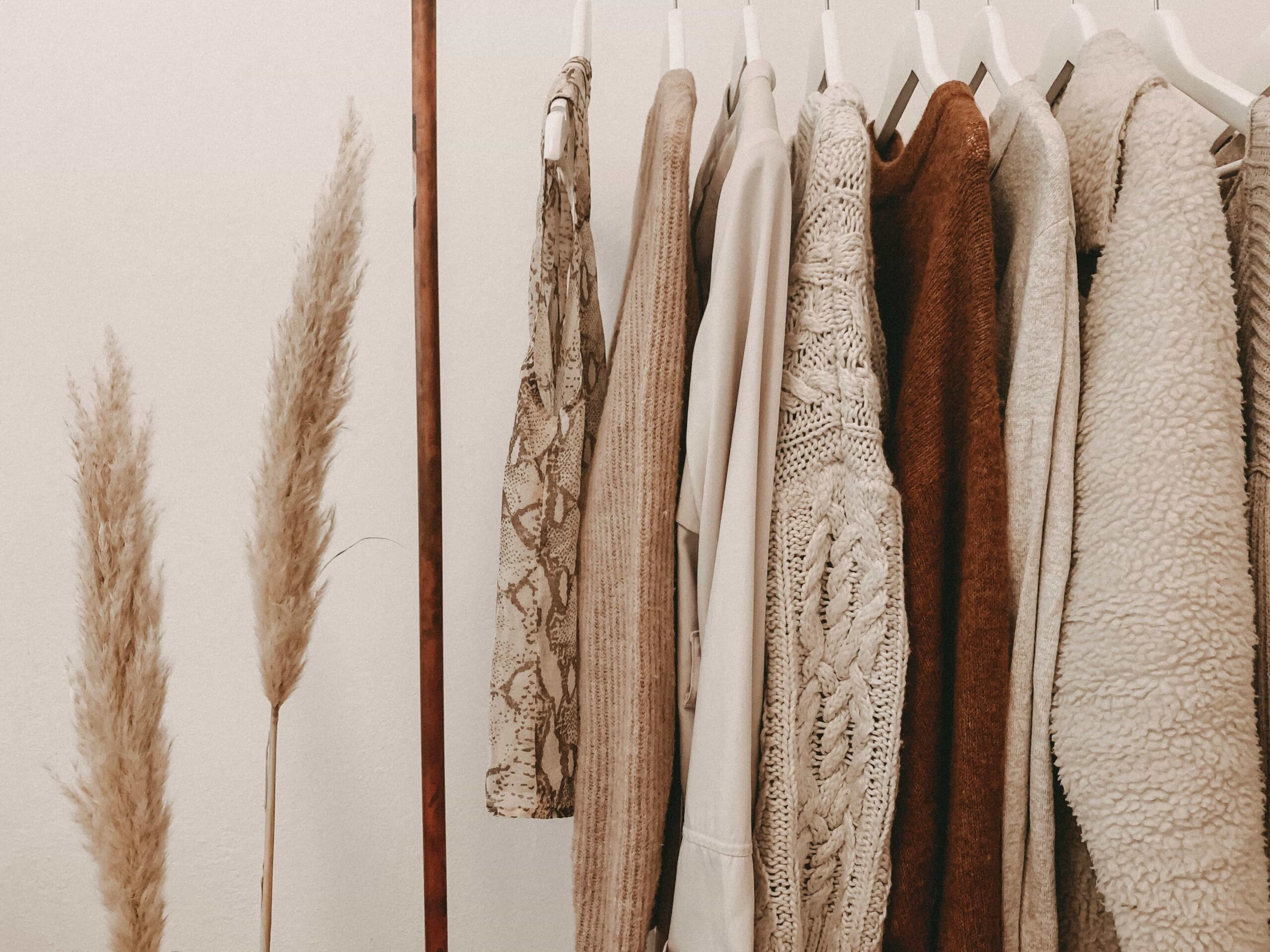
Sustainable fashion has become one of the most important movements in the modern fashion industry. As consumers become more aware of environmental challenges and ethical concerns, brands are changing the way clothing is designed, produced, and marketed. What was once considered a niche market is now shaping the future of global fashion trends.
Fast fashion dominated the industry for years by producing inexpensive clothing at high speed. However, the environmental impact of mass production, textile waste, and unethical labor practices has encouraged people to rethink shopping habits. Consumers are now seeking quality over quantity and supporting brands that prioritize responsible manufacturing.
One major aspect of sustainable fashion is the use of eco-friendly materials. Organic cotton, recycled polyester, hemp fabrics, and plant-based leather alternatives are becoming increasingly common. Many companies are also reducing plastic packaging and adopting cleaner production methods to minimize pollution.
Fashion brands are also focusing on transparency. Consumers want to know where products are made, who creates them, and how materials are sourced. Ethical labor conditions and fair wages are becoming essential values for modern shoppers.
Thrift shopping and secondhand fashion have gained enormous popularity as well. Vintage clothing stores, online resale platforms, and clothing rental services are helping reduce textile waste while encouraging more conscious consumption habits. Many people now appreciate unique vintage pieces over mass-produced trends.
Technology is helping sustainable fashion evolve even faster. Designers are experimenting with innovative fabrics made from mushrooms, cactus fibers, and recycled ocean plastics. These advancements prove that fashion can remain creative while becoming environmentally responsible.
Social media influencers and fashion creators are also promoting mindful shopping habits. Capsule wardrobes, outfit repetition, and timeless styling are becoming more accepted in digital fashion culture. Instead of constantly purchasing new trends, consumers are learning how to maximize versatile clothing pieces.
Although sustainable fashion can sometimes be more expensive, many shoppers now understand the long-term value of durable, high-quality garments. Investing in fewer but better pieces ultimately supports both personal style and environmental responsibility.
As awareness continues growing worldwide, sustainable fashion will likely become a permanent standard rather than simply a temporary trend. The future of fashion depends on balancing creativity, ethics, and sustainability for the next generation.




Leave a Reply