












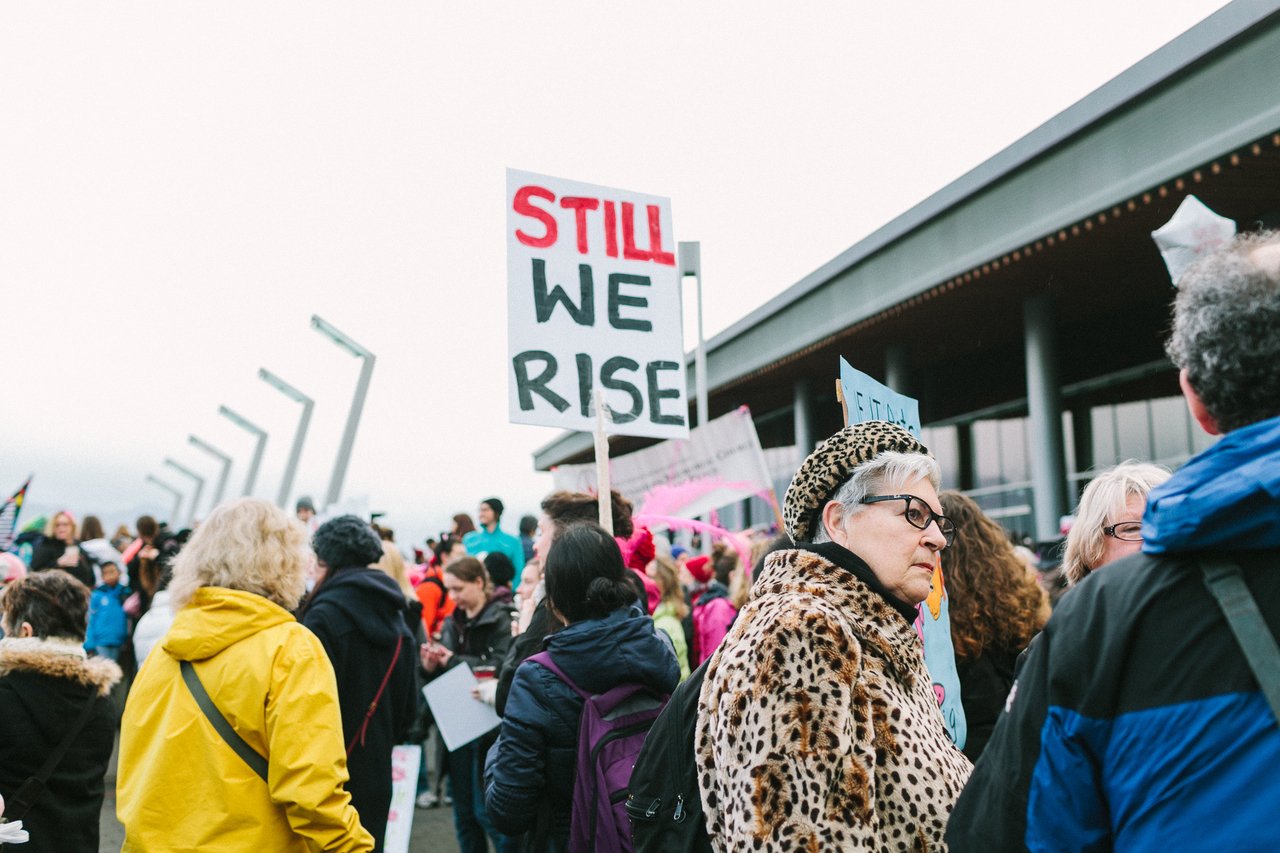
Young people are playing an increasingly important role in shaping the modern political landscape. Across the world, youth participation in politics is growing through voting, advocacy, community engagement, and digital activism. As new generations become more informed and connected, they are influencing public debates, policy priorities, and leadership decisions. Their involvement is helping redefine how democratic societies function and respond to emerging challenges.
One of the key drivers of youth political engagement is access to information through digital platforms and social media. Young citizens can easily stay informed about political developments, social issues, and government policies. Online campaigns, petitions, and discussion forums provide opportunities for them to express opinions and mobilize support for causes they care about. This increased connectivity has empowered youth to become active participants in political conversations rather than passive observers.
Youth involvement is also bringing fresh perspectives to important issues such as education, employment, climate change, technology, social justice, and economic development. Many young leaders and activists are advocating for policies that address long-term challenges affecting future generations. Their ability to organize movements, raise awareness, and engage communities has demonstrated the significant impact that young voices can have on decision-making processes at local, national, and global levels.
Governments, political organizations, and civil society groups are increasingly recognizing the value of youth participation. Programs focused on civic education, leadership development, and public engagement encourage young people to contribute to democratic processes. By creating opportunities for meaningful involvement, institutions can help cultivate future leaders who are committed to public service and positive social change.
As societies continue to evolve, youth participation will remain a vital force in shaping political and social progress. Encouraging active citizenship among younger generations strengthens democratic institutions, promotes accountability, and ensures that diverse perspectives are represented in policy discussions. By engaging in civic activities and leadership roles, young people are helping build a more inclusive, responsive, and forward-looking political environment for the future.
Tags:

Gallery


Recent Posts



Leave a Reply