



Mixing and matching outfits centers on maximizing your wardrobe by combining a few versatile anchor pieces with deliberate color, texture, and structural choices. Mastering this art lets you build dozens of distinct looks from minimal items, saving money and streamlining daily styling choices.
🧥 Step 1: Establish Your Foundational Basics
Before introducing bold elements, secure high-quality essentials. These neutral anchors act as the clean canvas for your entire wardrobe.
- Neutral Bottoms: Keep tailored black trousers, crisp denim jeans, or minimalist skirts on hand.
- Essential Tops: Stock up on plain white t-shirts, neutral blouses, and a classic button-down shirt.
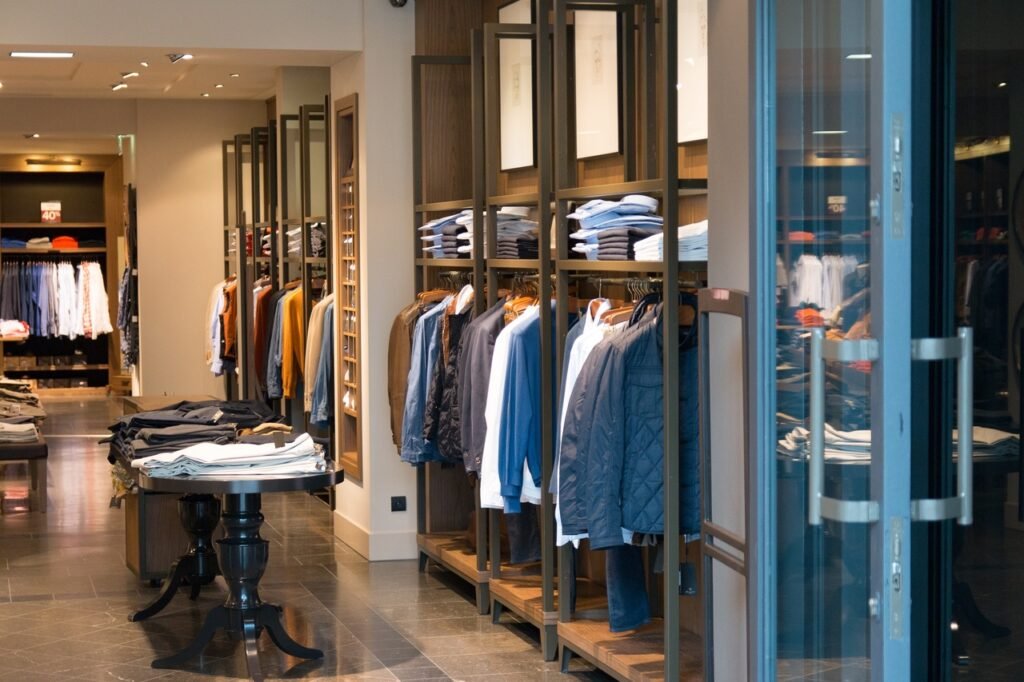
- Versatile Layers: Keep a neutral blazer or tailored coat ready to instantly structure any look.
🎨 Step 2: Master Color Coordination
Colors dictate how cohesive your ensemble feels. Use basic color theory to safely expand your pairing palette:
| Styling Approach | Strategy | Example Combination |
|---|---|---|
| Monochromatic | Mix varying shades/tints of one single hue. | Olive trousers with a sage green top. |
| Analogous | Combine colors directly adjacent on the color wheel. | Navy trousers paired with a soft sky blue top. |
| Complementary | Pair colors directly opposite each other for high contrast. | A camel coat worn over a vibrant rust orange sweater. |
| Neutral Canvas | Anchor a strong, vivid accent color with calm neutrals. | A bright fuchsia top paired with a classic navy blazer. |
🧵 Step 3: Layer Textures for Visual Interest
When colors are minimal, texture creates essential depth and prevents outfits from looking flat. Combine contrasting fabric weights to build premium, multi-dimensional looks:
- Cozy & Sleek: Pair a heavy, chunky knit sweater over fluid satin slip skirts.
- Soft & Structured: Tuck a delicate silk blouse into rugged, heavy-grain leather pants.
- Seasonal Shifts: Throw structured denim jackets over light, breezy cotton dresses.
🦓 Step 4: Mix Patterns Confidently
Pattern mixing does not have to feel chaotic. If you want to safely blend different prints, follow these foundational scale rules:
- Vary the Scale: Combine a large-scale print (like a bold floral) with a small-scale print (like thin micro-stripes) so they do not compete.
- Unify via Color: Ensure both distinct patterns share at least one prominent base color to pull them together.
- The Stripe Rule: Treat thin black-and-white stripes as a neutral base—they pair easily with florals, camo, or geometric prints.
⚖️ Step 5: Balance Proportions and Silhouettes
Creating a balanced silhouette prevents your frame from being overwhelmed by fabric. Ensure you contrast the shapes of your top and bottom halves:
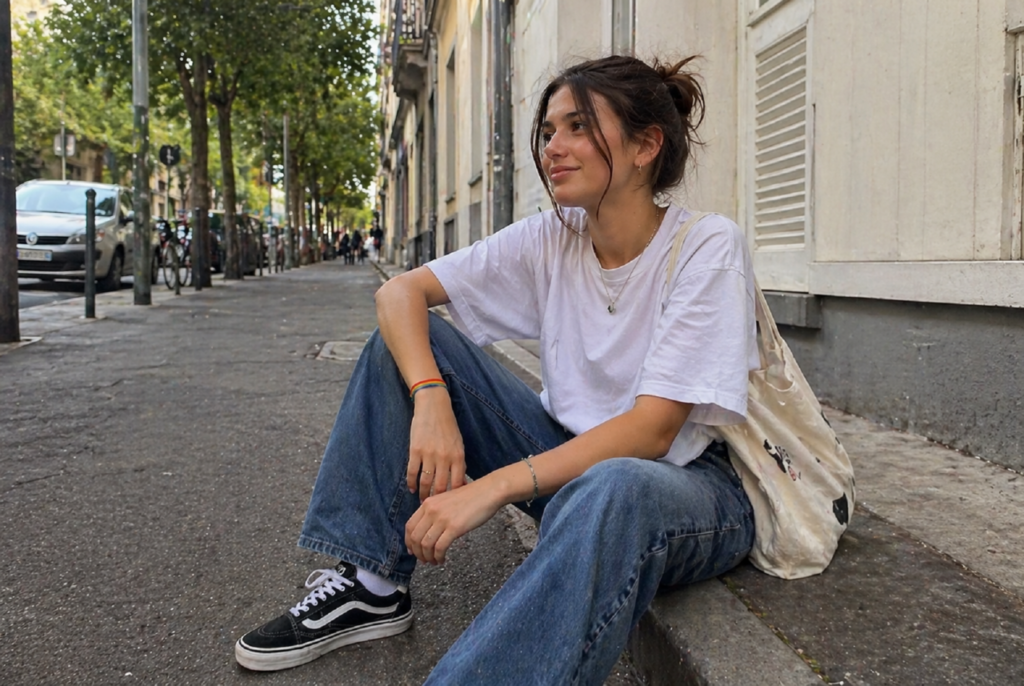
- Voluminous Bottoms: Balance relaxed, wide-leg trousers or maxi skirts with tight, fitted tops.
- Oversized Tops: Offset slouchy, oversized sweaters or boyfriend blazers with slim-fit jeans or tailored trousers.
- Define the Waist: Use a belt or a structured front-tuck to create visual separation between loose layers.
🎒 Step 6: Elevate with Strategic Accessories
Accessories are the final step that can instantly pivot an outfit’s entire aesthetic.
- Footwear Shifts: Swap casual white sneakers for leather loafers or heels to transition from casual to professional.
- Focal Points: Use a single statement necklace, a bold structural handbag, or a vibrant scarf to make basics look intentional.
Tags:





Leave a Reply