
Introduction: A construction site risk assessment is a systematic process used to identify hazards, evaluate the risks associated with those hazards, and determine suitable measures to protect workers, visitors, equipment, and the surrounding environment. Construction sites contain many potential hazards, so conducting a risk assessment before and during construction is essential for preventing accidents and improving site safety.
Identify the Hazards: The first step is to identify all potential hazards present on the construction site. These may include working at height, excavation and trenching, moving vehicles, heavy machinery, electrical equipment, falling objects, hazardous materials, noise, dust, fire, poor housekeeping, and adverse weather conditions. Site inspections and discussions with workers can help identify hazards that may otherwise be overlooked.
Determine Who May Be at Risk: After identifying the hazards, determine who could be affected by each hazard. This may include construction workers, supervisors, engineers, contractors, visitors, equipment operators, and members of the public near the site. Special attention should be given to workers who may be more exposed because of the nature of their tasks or working conditions.
Evaluate the Level of Risk: Each identified hazard should be assessed based on the likelihood of an accident occurring and the possible severity of the consequences. Risks can generally be classified as low, medium, or high. High-risk activities should receive immediate attention and should not proceed until appropriate control measures are established.
Apply the Hierarchy of Controls: Suitable control measures should be selected to reduce or eliminate identified risks. The preferred approach is to eliminate the hazard where possible, followed by substituting safer methods or materials, using engineering controls, establishing administrative controls, and finally using personal protective equipment (PPE). PPE should be considered an important protective measure but should not be the only method of controlling serious hazards.
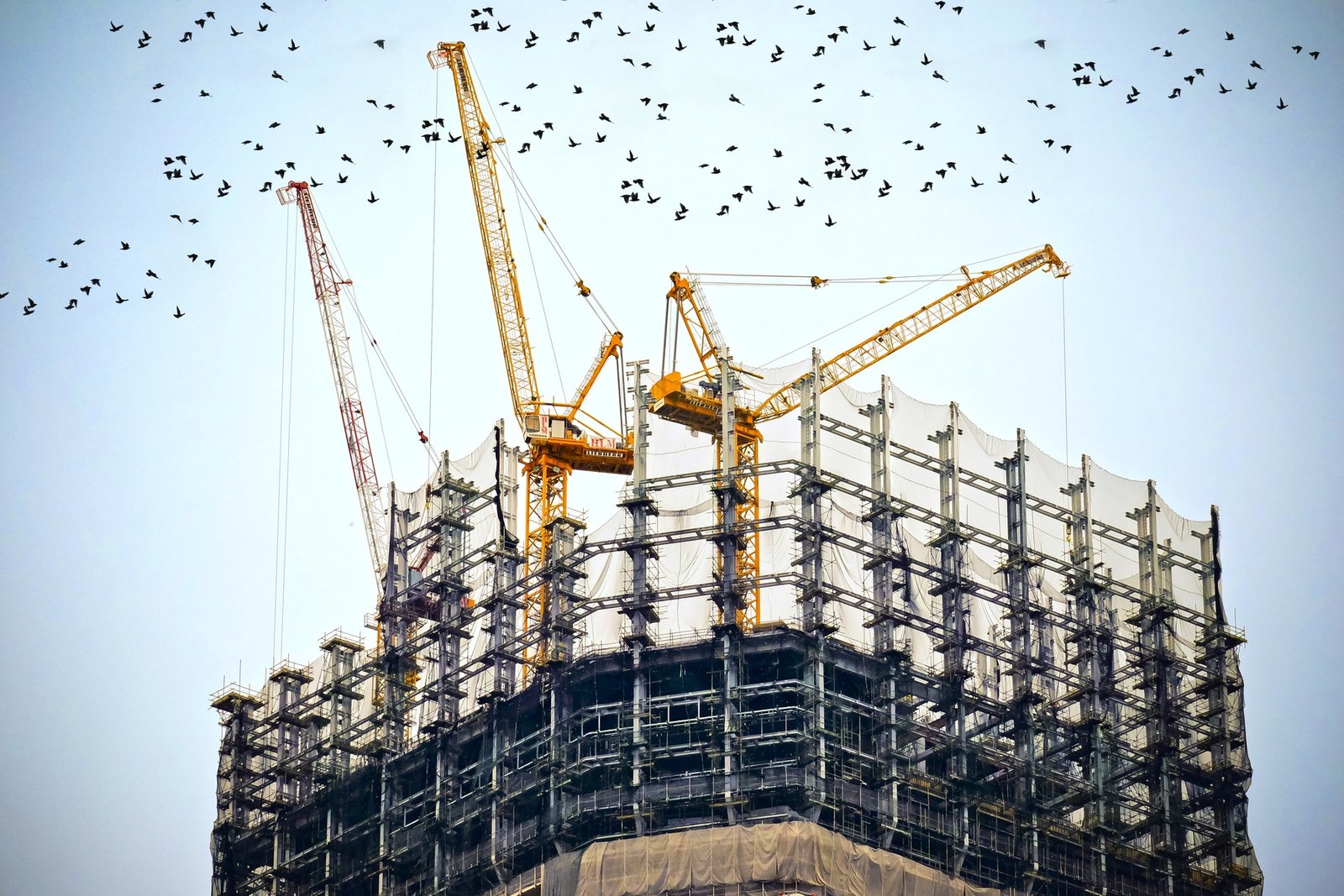
Control Working at Height: Falls from height are a major construction hazard. Appropriate measures such as guardrails, safe scaffolding, properly secured ladders, safety nets, and suitable fall-arrest systems should be used where required. Workers should also be properly trained and work-at-height equipment should be inspected regularly.
Control Excavation Risks: Excavations and trenches can collapse, causing serious injury or death. Before excavation work begins, underground utilities should be identified and suitable protective systems should be provided. Depending on the conditions, trenches may require proper sloping, benching, shoring, or shielding, along with safe access and protection around excavation edges.
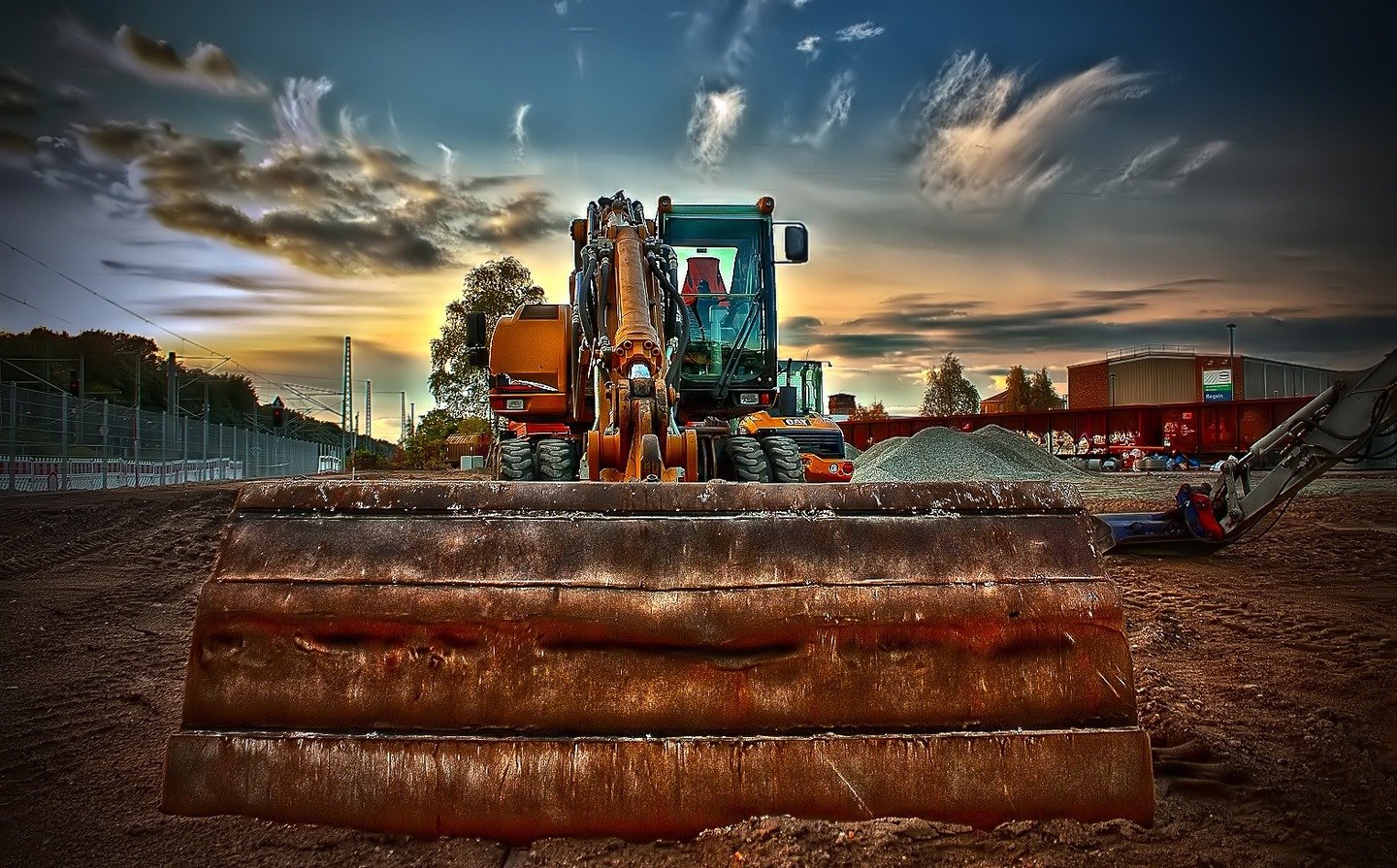
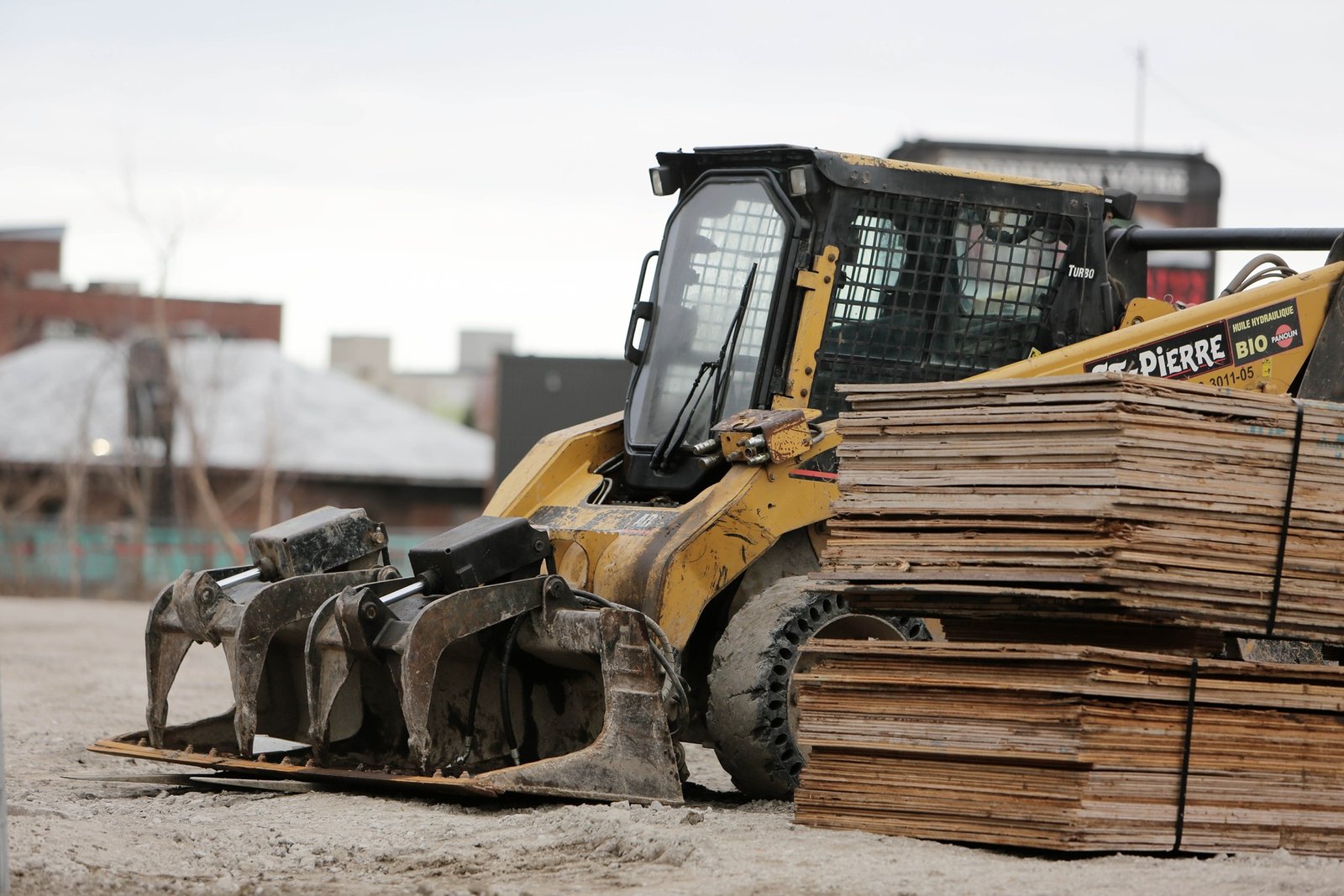
Assess Machinery and Equipment Risks: Construction machinery should be assessed for hazards such as moving parts, overturning, collisions, mechanical failure, and improper operation. Only trained and authorized workers should operate machinery, and equipment should be inspected and maintained regularly. Safe operating procedures and suitable exclusion zones should also be established.
Assess Electrical Hazards: Electrical systems and equipment should be inspected to identify risks of electric shock, burns, fires, and other accidents. Proper grounding, insulation, circuit protection, safe connections, and regular inspections should be maintained. Electrical work should be performed by competent and authorized personnel.
Consider Hazardous Substances and Environmental Conditions: Construction workers may be exposed to cement, chemicals, dust, fumes, solvents, paints, and other hazardous substances. The assessment should consider how these substances are stored, handled, and disposed of. Environmental hazards such as excessive noise, vibration, heat, cold, poor ventilation, and dust should also be assessed and controlled.
Leave a Reply