
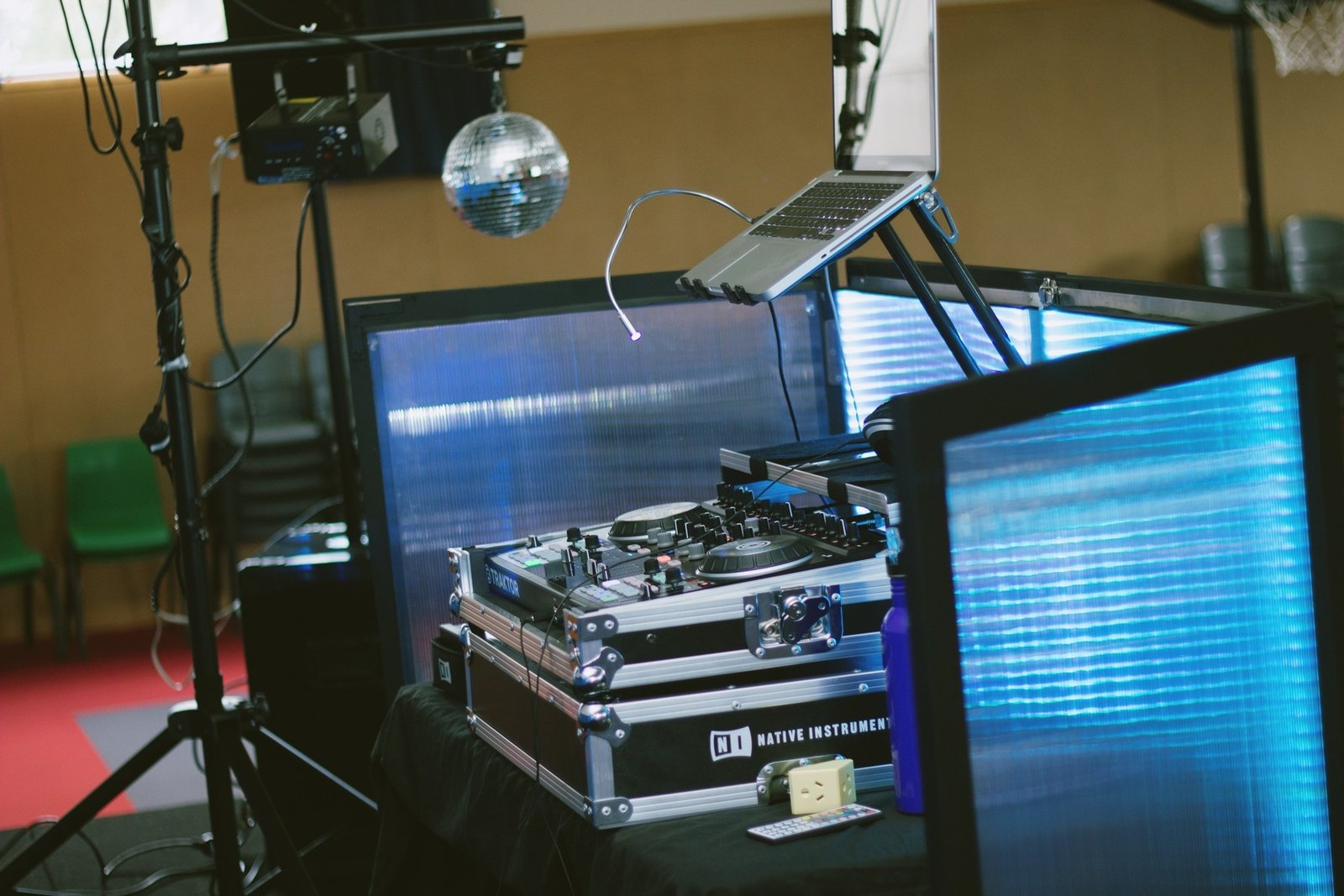
Building a beginner music studio does not require expensive equipment. A good setup should focus on the essential tools that help you create, record, and improve your music. The most important thing is choosing reliable equipment that matches your style of production and your available space.
A computer is the center of any modern studio. It should have enough processing power to run your digital audio workstation, virtual instruments, and audio effects smoothly. A faster processor, enough RAM, and sufficient storage will make music production easier, especially when working with large projects.
A digital audio workstation, or DAW, is the software where you create and edit music. Programs such as Ableton Live, FL Studio, Logic Pro, and Cubase provide tools for recording, arranging, mixing, and mastering. Beginners should choose a DAW that feels comfortable and supports the type of music they want to make.
An audio interface is an important part of a home studio because it connects microphones and instruments to your computer. It improves sound quality, reduces recording delay, and provides better control over your audio. A beginner-friendly interface with good preamps and low latency is usually enough for starting out.
Studio headphones are one of the best first investments for beginners. They allow you to hear details clearly and make accurate production decisions without disturbing others. Closed-back headphones are useful for recording vocals because they reduce sound leakage, while open-back headphones can provide a more natural listening experience for mixing.
Studio monitors are helpful when you have a suitable room because they provide a more accurate representation of your music than regular speakers. However, beginners working in small or untreated rooms may get better results by starting with good headphones and adding monitors later.
A MIDI keyboard is useful for producers who create melodies, chords, and basslines using virtual instruments. Even a small keyboard with basic controls can make production more creative and easier compared to drawing notes manually with a mouse.
A quality microphone is necessary if you plan to record vocals, instruments, or voice content. A condenser microphone is often chosen for studio vocals because of its detail, while dynamic microphones can be better for untreated rooms where background noise is a concern.
Acoustic treatment can improve your recordings by reducing unwanted reflections and echoes. Beginners do not need to completely redesign their room, but adding basic treatment, improving speaker placement, and controlling noise can make a noticeable difference.
Other useful accessories include a comfortable studio chair, microphone stand, pop filter, cables, external storage, and a reliable backup system for saving projects. These small additions can make your workflow smoother and more enjoyable.
A practical beginner studio usually starts with a computer, DAW, audio interface, headphones, and a MIDI keyboard. As your skills grow, you can upgrade with studio monitors, better microphones, and additional instruments. The best equipment is not the most expensive gear but the equipment that helps you create music consistently and learn your craft.
Leave a Reply