info@example.com
Pinnickinick Street, New York
Follow Us :

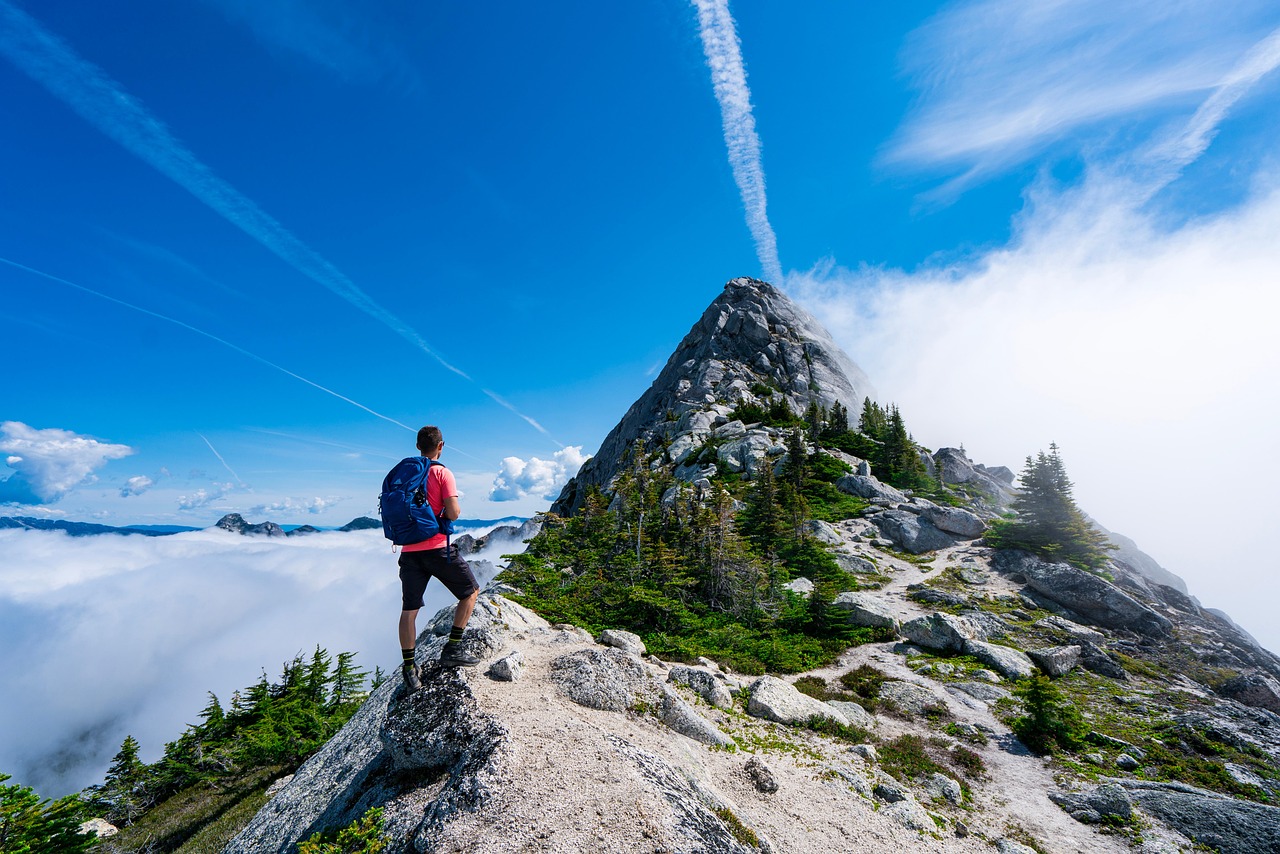
Everest Panorama Trek
The Everest Panorama Trek is a short and scenic version of the classic Everest Base Camp trek, designed for those who want to experience the beauty and grandeur of the Everest region without committing to a long or physically demanding journey.
Trips Facts
Trip Includes
-
Experienced trekking guides and porters (if applicable)
-
Accommodation during the trek (lodges, tea houses, or camping)
-
Meals during the trek (usually breakfast, lunch, and dinner)
-
Trekking permits, national park fees, and entrance permits
-
Transportation to/from the trek starting point
-
Emergency support and first-aid kit
-
Welcome briefing and orientation at the trek start
Trip Excludes
-
International airfare to/from the trek destination
-
Personal expenses (shopping, souvenirs, snacks, drinks)
-
Travel insurance or medical evacuation
-
Optional activities not listed in the itinerary
-
Tips or gratuities for guides and staff
-
Equipment rentals (trekking poles, sleeping bags, etc., unless specified)
-
Visa fees or passport expenses
Itineraries
No details found.
Gallery
FAQ
Most treks are best during Spring (March–May) and Autumn (September–November) when weather is stable and visibility is excellent.
Difficulty ranges from Easy to Extreme. Check the specific trek details to see if prior trekking experience is recommended.
Some treks are beginner-friendly, while others require moderate to extensive trekking experience. Review the trek difficulty before booking.
Accommodation can include lodges, tea houses, guesthouses, or camping, depending on the trek. Details are in the trip itinerary.
Most treks include breakfast, lunch, and dinner while on the trail. Some packages may offer partial meals—check the specific trek details.
Trip Location
Select Date To Book Trip
Leave a review
Add a review
Book Tour
The Everest Panorama Trek is a short and scenic version of the classic Everest Base Camp trek, designed for those who want to…
Trip Code
WT-CODE 92
From
wpdemo–