
Choosing between a gas and an electric water heater is an important decision that affects your home’s energy costs, hot water supply, and long-term maintenance. Both options have their advantages and disadvantages, and the right choice depends on your household’s needs, budget, and available utility connections. Understanding the differences can help you make an informed investment.
Gas water heaters are known for their fast heating and ability to recover quickly after heavy hot water use. This makes them a popular choice for larger families or homes with high daily hot water demand. They also continue to operate during power outages, provided the unit doesn’t rely on electricity for ignition. However, gas water heaters typically require access to a natural gas line or propane supply, proper ventilation, and may have higher installation costs. They also require regular maintenance to ensure safe operation.
Electric water heaters are generally easier and less expensive to install because they don’t require gas lines or venting systems. They are often more energy-efficient since nearly all the electricity they use is converted directly into heat. Electric models also tend to require less maintenance and operate more quietly than gas units. On the downside, they usually heat water more slowly and may struggle to keep up with high hot water demand in larger households. Additionally, they will not provide hot water during a power outage.
When comparing operating costs, the most economical option depends on local utility rates. In areas where natural gas is affordable, gas water heaters often cost less to operate. In regions with lower electricity rates or homes using renewable energy sources such as solar panels, electric water heaters can be the more cost-effective choice over time.
Regardless of which type you choose, regular maintenance is essential for maximizing efficiency and extending the lifespan of your water heater. Flushing the tank annually, checking for leaks, inspecting safety components, and addressing small issues promptly can improve performance and reduce energy consumption.
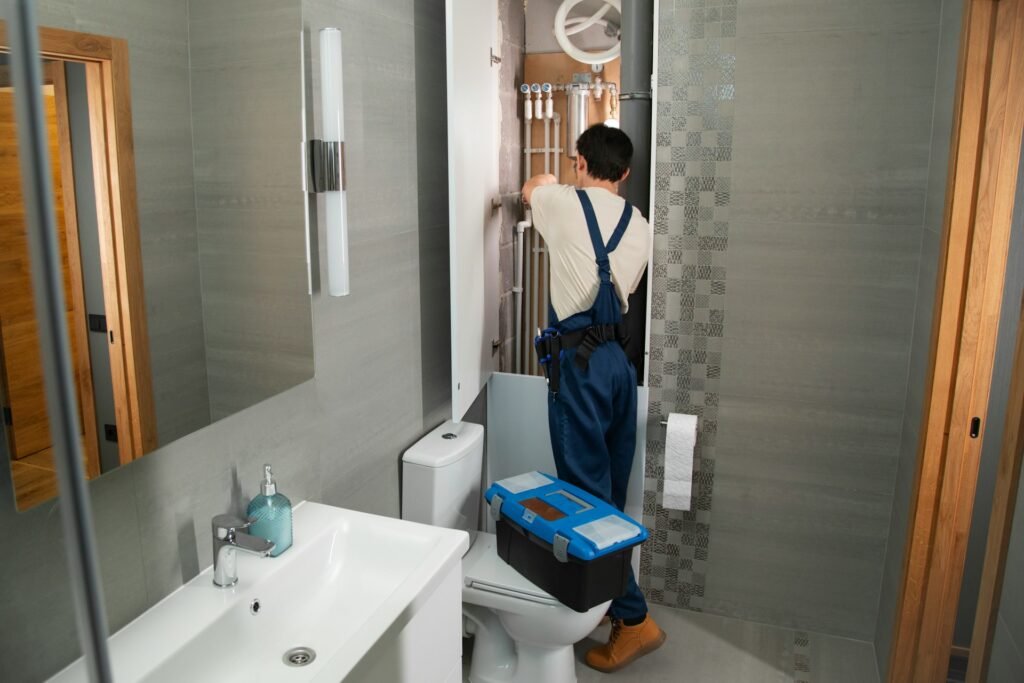
If you’re unsure which water heater is best for your home, a professional plumber can evaluate your household’s hot water needs, available utilities, and budget to recommend the most suitable option. Choosing the right water heater can improve comfort, lower operating costs, and provide reliable hot water for many years.



Leave a Reply