
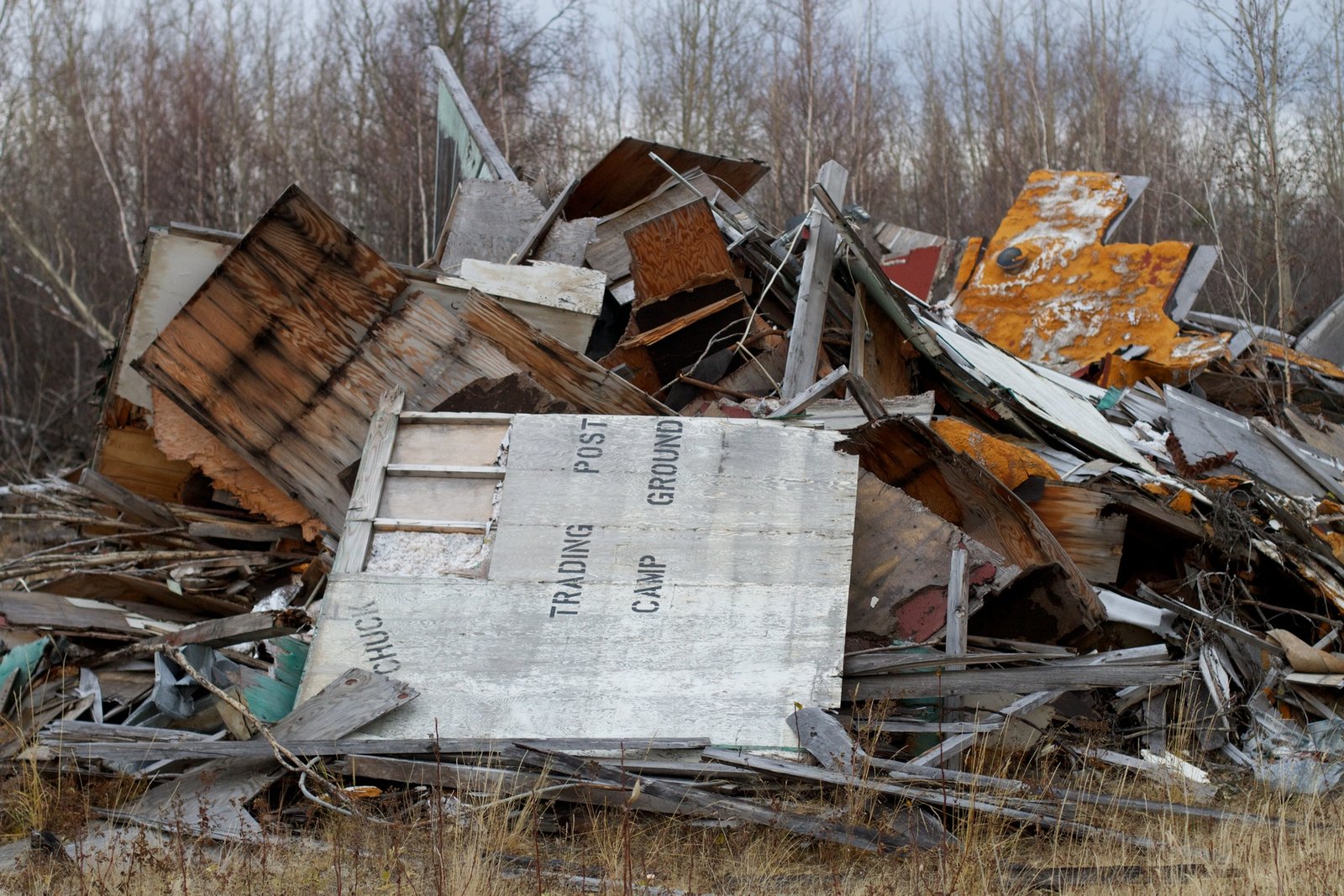
Introduction: Construction activities generate a large amount of waste, including concrete, bricks, wood, metal, glass, packaging, soil, and other materials. Reducing construction waste is important for conserving natural resources, lowering project costs, reducing pollution, and improving the overall sustainability of the construction industry. Proper planning, material management, recycling, and responsible construction practices can significantly reduce waste.
Proper Project Planning: Effective planning is one of the best ways to reduce construction waste. Accurate measurements, detailed drawings, proper quantity estimates, and careful scheduling help prevent over-ordering and unnecessary use of materials. Good coordination between architects, engineers, contractors, and suppliers can also reduce design errors and material wastage.
Accurate Material Estimation: Materials should be ordered according to accurate quantity estimates and actual project requirements. Over-ordering can result in unused materials, while under-ordering may cause delays and additional transportation. Proper estimation and regular monitoring of material consumption help minimize unnecessary waste and expenses.
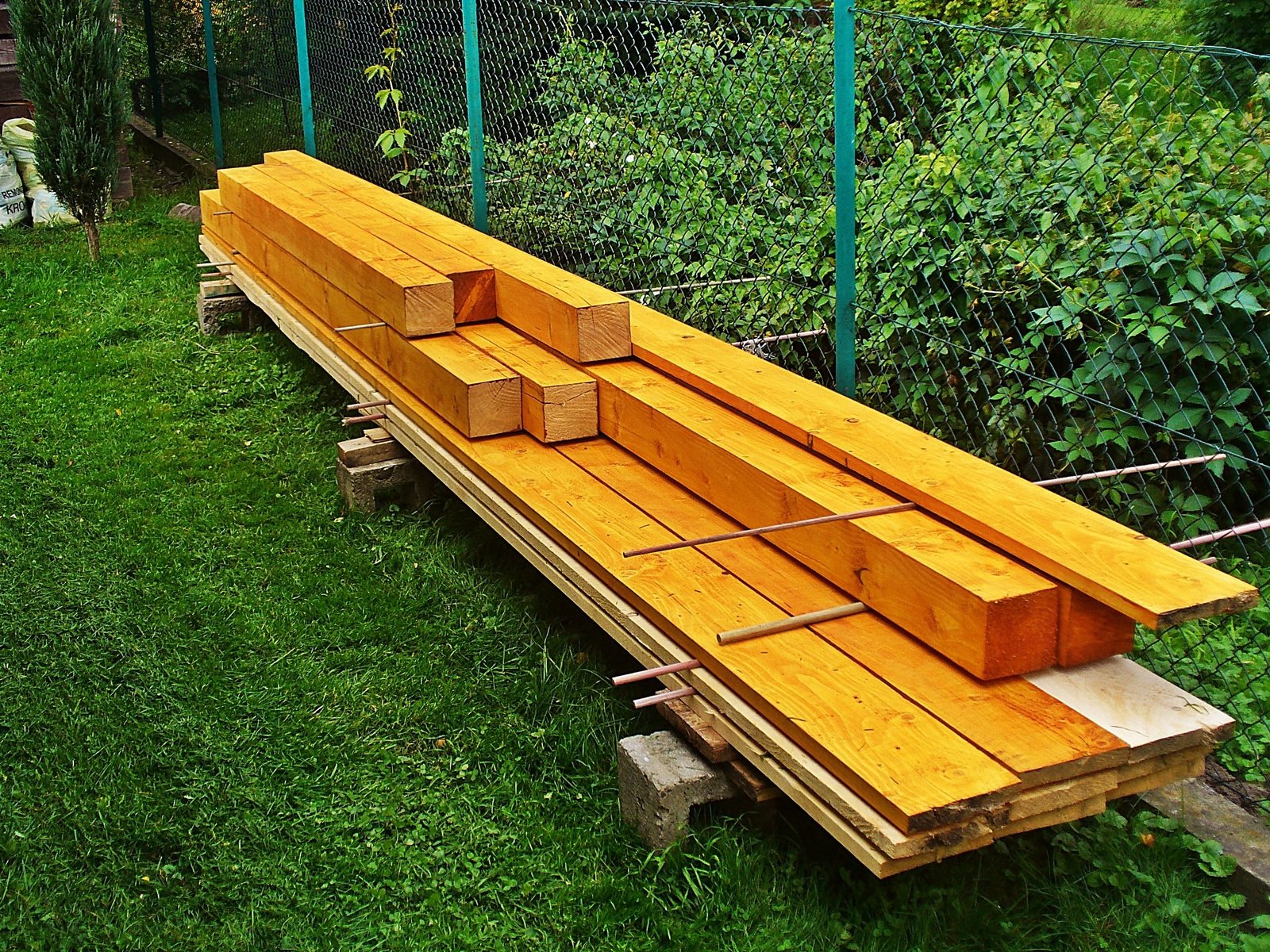
Efficient Material Storage: Construction materials should be stored properly to prevent damage from weather, moisture, theft, contamination, or improper handling. Cement, timber, steel, bricks, tiles, and other materials require suitable storage conditions. Proper stacking and organized storage also make materials easier to locate and reduce breakage and loss.

Leave a Reply