Tour Single


Mustang
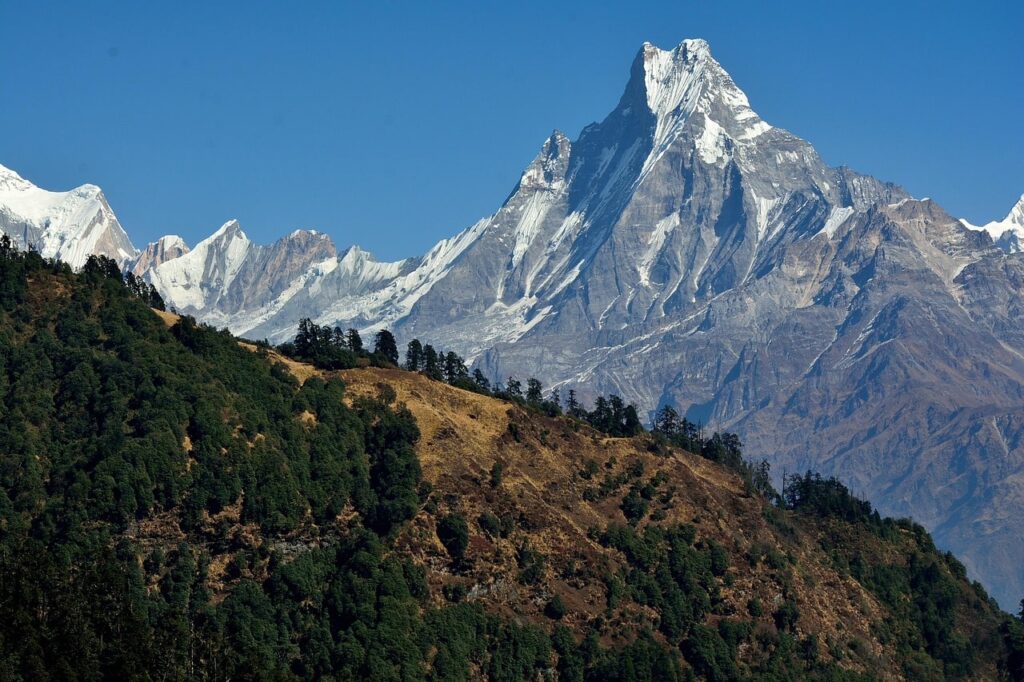
Venture to Mustang’s Lo Manthang, a desert-like Himalayan region with ancient walled cities, Tibetan culture, monasteries, and rugged trails for a unique trekking adventure.
Trip Type
Trip
Locations
Trips Facts
- Overview
- Trip Outline
- Trip Includes
- Trip Excludes
- Gallery
- Reviews
- Booking
- FAQ
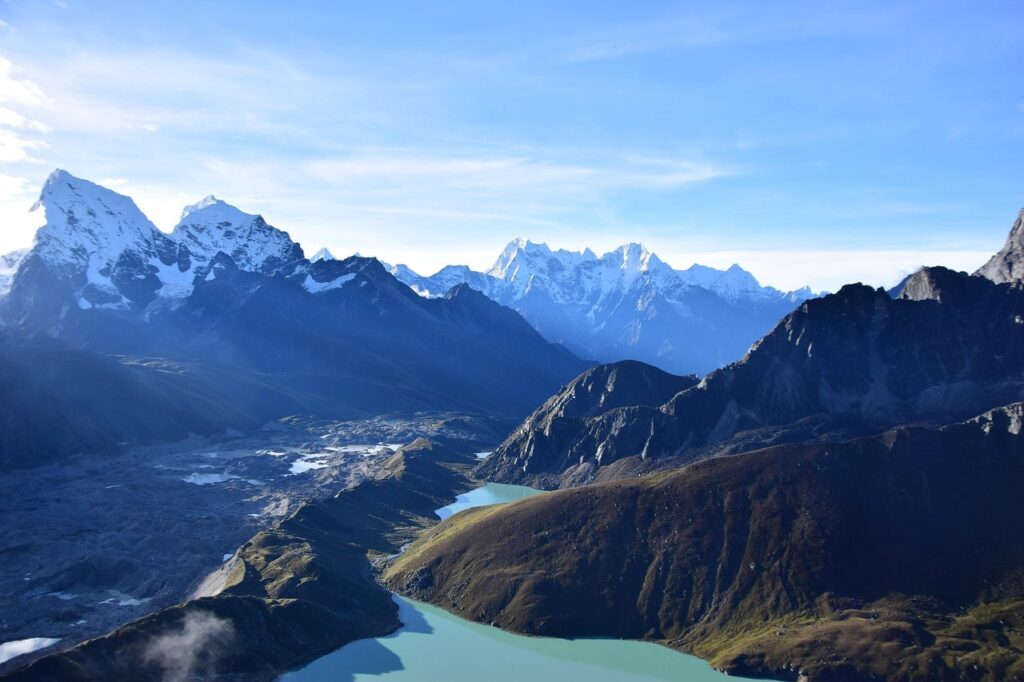
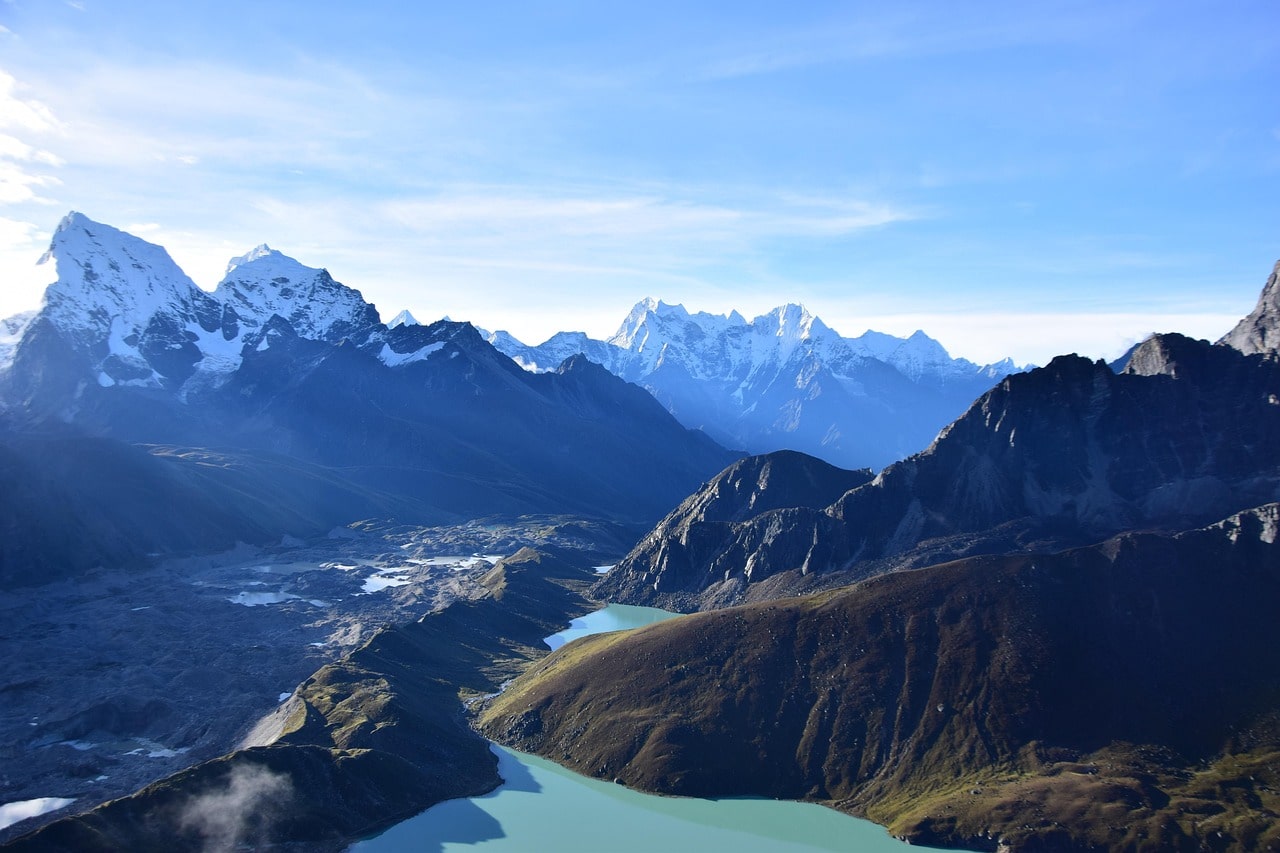
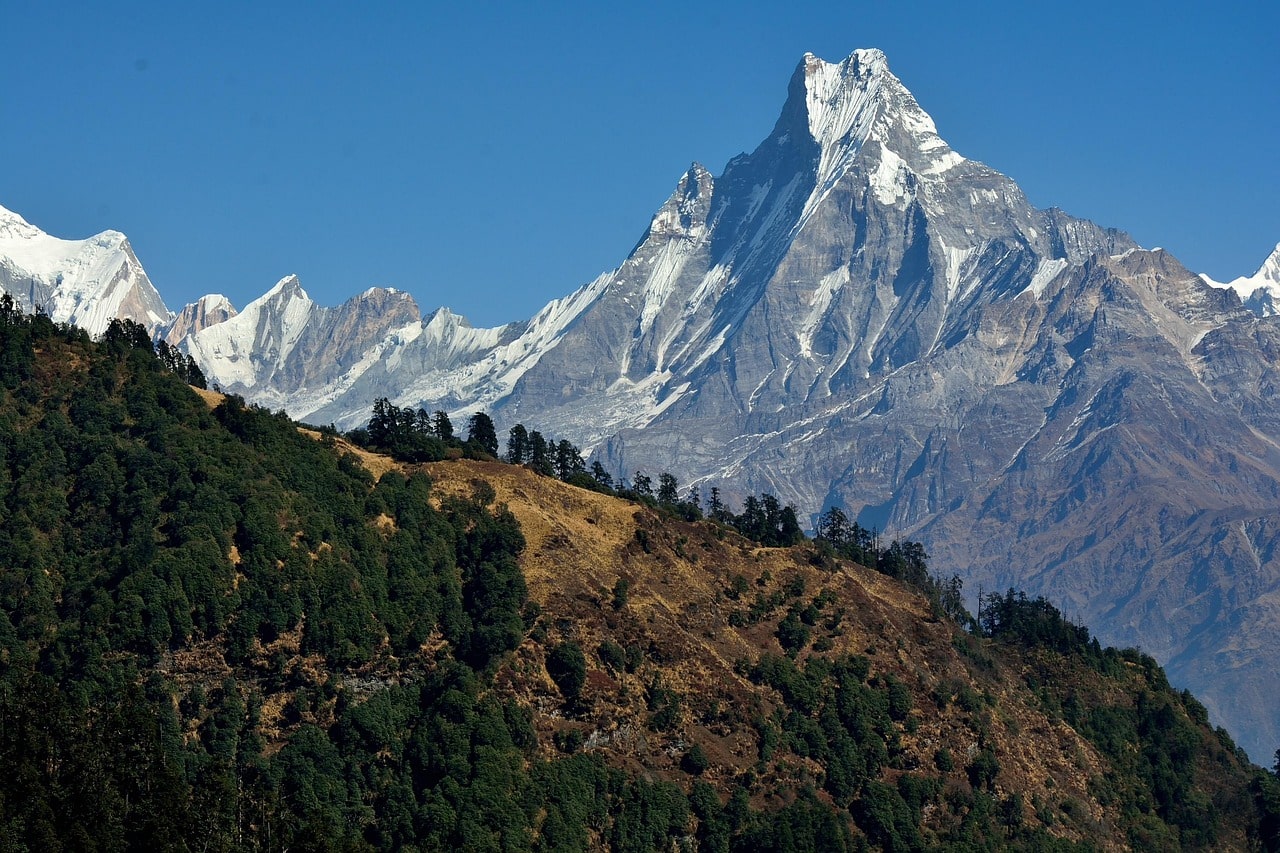
The Mustang Trek takes adventurers to the remote Upper Mustang region, often referred to as the “Hidden Kingdom.” Over several days, trekkers explore arid landscapes, deep canyons, and high-altitude desert valleys surrounded by dramatic Himalayan peaks. Lo Manthang, the walled capital city, is rich in Tibetan Buddhist culture, monasteries, and ancient fortresses. The journey combines moderate hiking with cultural immersion, offering encounters with local communities who preserve centuries-old traditions. Trails pass through cliffside villages, chortens, and caves adorned with ancient murals, providing a historical and spiritual backdrop to the trek. The Mustang region’s unique geography and heritage create an unforgettable experience, blending adventure with cultural discovery. Comfortable lodges and teahouses provide rest and meals, while panoramic views and the sense of remoteness make this trek ideal for explorers seeking a one-of-a-kind Himalayan journey.
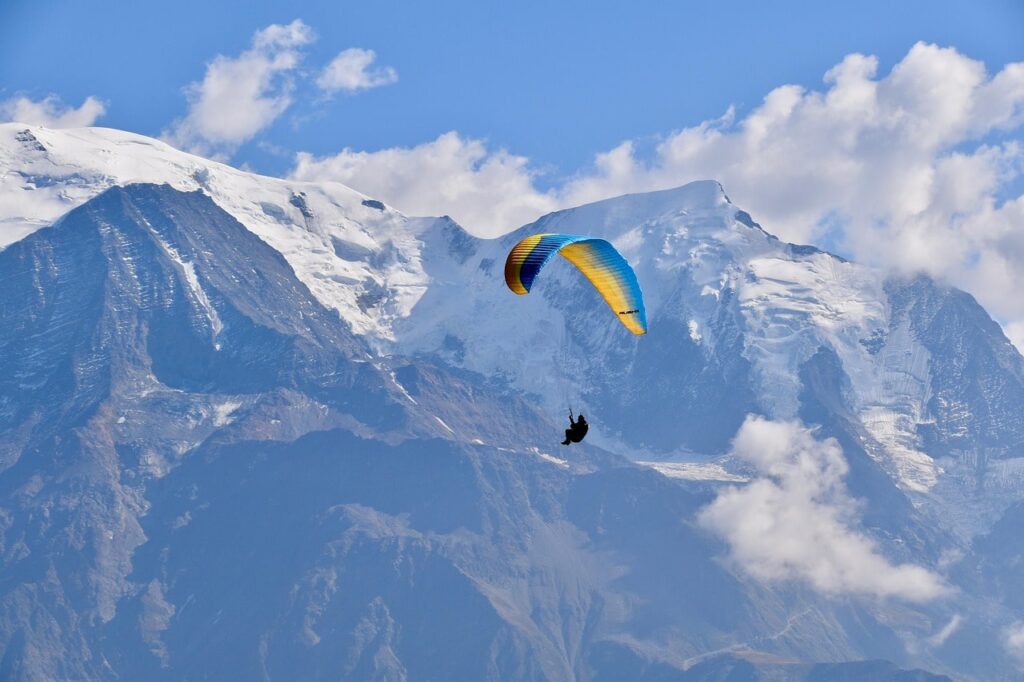
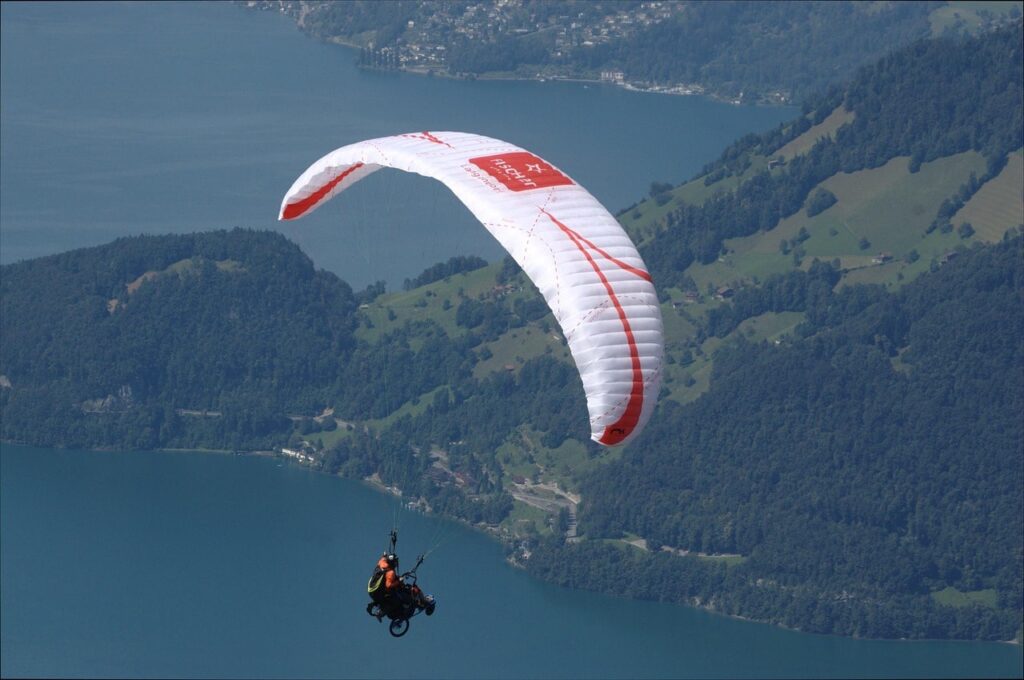
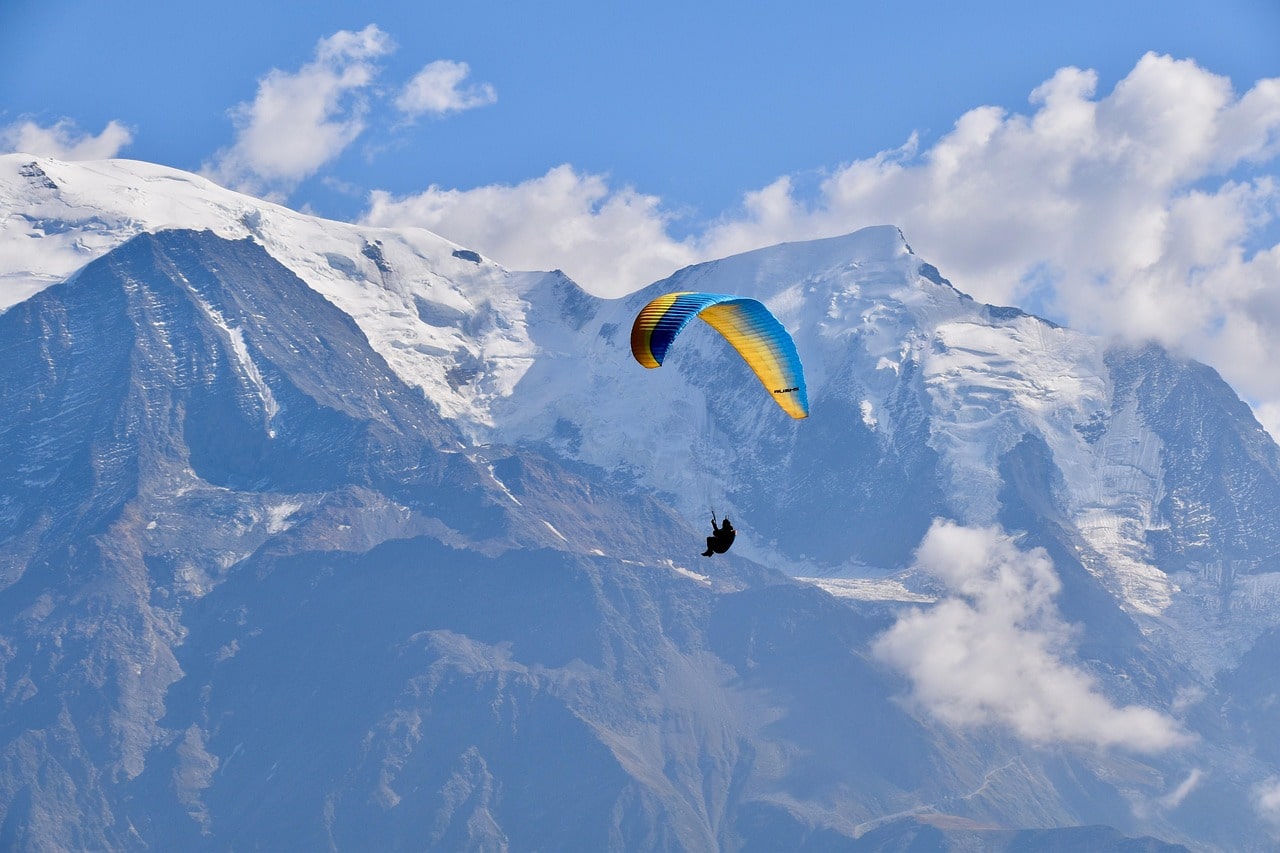
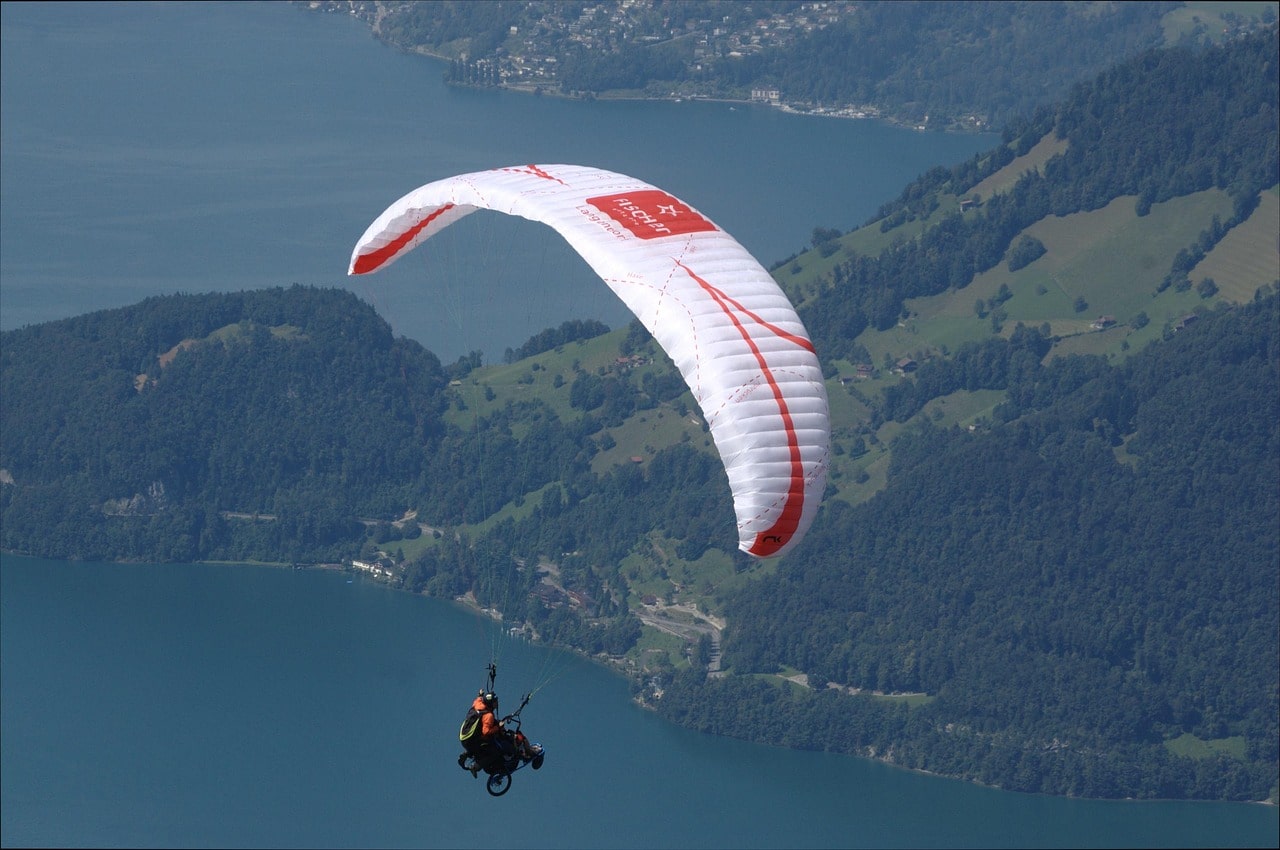
This 5-day itinerary is a perfect combination of cultural exploration, thrilling adventures, and immersion in nature. Start by experiencing the rich cultural heritage of the country, visiting historic landmarks and sacred sites. Then, shift gears to an adventure-filled day in a region known for outdoor activities, where you can enjoy breathtaking views and try adrenaline-pumping experiences like paragliding or hiking. The trip continues with a visit to a wildlife sanctuary, offering exciting safaris and the opportunity to observe wildlife in its natural habitat. On the final day, head back to the city to reflect on your journey and explore any last-minute highlights before departure.
Itineraries
Day 1
Arrival & Local Exploration
-
-
Morning: Arrive at your destination, check into your accommodation.
-
Late Morning / Afternoon: Head out for a light local exploration. If you’re in a city, visit nearby landmarks or a local park. If you’re in nature, explore the immediate surroundings (e.g., a nature walk, beach, or scenic overlook).
-
Lunch: Try local cuisine at a recommended restaurant or street food market.
-
Afternoon: Visit a museum, cultural center, or iconic site that’s close by.
-
Evening: Enjoy a relaxing dinner at a place with local flair. Take a stroll through a lively area—this could be a night market, town square, or a sunset point.
-
Overnight: Return to your accommodation, rest up for tomorrow’s adventures.
-
Day 2
Major Attractions & Exploration
-
Morning: After breakfast, head to one of the major attractions or landmarks of the area. This could be a historic site, popular museum, scenic view, or nature reserve.
-
Lunch: Grab a quick bite in a nearby cafe or market.
-
Afternoon: Continue exploring the main attractions. If you’re in a city, take a walking tour or hop on a sightseeing bus. For nature destinations, hike or explore deeper into a national park, beach, or forest.
-
Evening: Have dinner at a place that offers a different vibe from lunch—perhaps a rooftop or waterfront restaurant.
-
Optional Night Activity: Attend a cultural performance, local event, or explore the nightlife.
Day 3
Day Trip or Nearby Adventure
-
Morning: Take a day trip to a nearby town, village, or natural wonder that’s a bit farther out. A scenic drive or guided tour could be perfect for this.
-
Lunch: Have lunch in the destination you’ve traveled to. Try regional specialties.
-
Afternoon: Explore the area in more depth. Go for a nature walk, visit local landmarks, or enjoy some outdoor activities like hiking, kayaking, or cycling.
-
Evening: Return to your accommodation and rest after a day of exploration.
-
Dinner: Try something different for dinner. Look for a spot that locals rave about.
Day 4
Immerse in Local Culture or Experience
-
Morning: Immerse yourself in the local culture by taking a cooking class, learning a local craft, or participating in a workshop. This helps connect you to the destination in a more personal way.
-
Lunch: Enjoy the fruits of your class or visit a spot known for local delicacies.
-
Afternoon: Visit a lesser-known attraction or take a leisurely stroll through local neighborhoods, parks, or markets. Shop for souvenirs or handicrafts.
-
Evening: Opt for a more relaxed evening—perhaps a local music performance, watching a sunset from a viewpoint, or dining at a unique venue (like a historic building or open-air restaurant).
Day 5
Relax, Reflections, & Departure
-
Morning: Use your last morning to relax and unwind—take a walk, enjoy a leisurely breakfast, or visit a café with a view.
-
Late Morning / Early Afternoon: Do some last-minute shopping or visit any small spots you missed earlier.
-
Lunch: Try something light and easy—this could be street food or a final sit-down at your favorite local spot.
-
Afternoon: If you have time before your flight/train, visit a scenic spot, beach, or garden to reflect on your trip.
-
Departure: Head to the airport or station for your departure.
-
Accommodation
-
Includes: Hotel, hostel, Airbnb, or any place you’re staying.
-
In some cases, a specific type of accommodation like a resort or guesthouse might be chosen based on your itinerary and budget.
-
-
Transportation
-
Includes: Flights, trains, buses, taxis, public transit, or private transfers for city and day trips.
-
This also includes local transportation, such as renting a bike, car, or using public transport like metro or buses.
-
-
Meals
-
Includes: Breakfast (usually at your accommodation). Lunch and dinner are often at local restaurants or street food markets (unless specified otherwise in an all-inclusive tour).
-
On some trips, meals might be included in guided tours, particularly if you’re staying at resorts, or part of a cultural or cooking experience.
-
-
Sightseeing/Activities
-
Includes: Entrance fees to museums, monuments, parks, or natural sites. Guided tours, tickets for public attractions (e.g., observation decks, historic sites, national parks).
-
Activities could also include things like walking tours, hikes, boat tours, cooking classes, or other experiences specific to the destination.
-
-
Local Experiences
-
Includes: Cultural performances, local festivals, craft workshops, or unique experiences (e.g., tea ceremonies in Asia, flamenco shows in Spain).
-
Immersive local experiences that help you understand the culture better.
-
-
Travel Insurance
-
Includes: Most trips will benefit from travel insurance covering medical emergencies, lost luggage, trip cancellations, and so on. Many travelers arrange insurance in advance, but it’s important to check if it’s included with any guided tours.
-
-
Personal Expenses
-
Excludes: Souvenirs, extra snacks, or personal purchases. Any shopping outside the essential travel gear (like toiletries) will be your responsibility.
-
Optional indulgences like spa visits, extra cocktails, or shopping in designer stores are not included unless specified.
-
-
Meals Outside Itinerary
-
Excludes: Any meals not specified in your itinerary. For example, if lunch is on your own, it’s your responsibility to pay for it.
-
Special dining experiences (like fine dining or food tours) are often an additional cost.
-
-
Optional Activities
-
Excludes: Add-ons such as zip-lining, scuba diving, horseback riding, or any other optional activities that are outside of the primary itinerary.
-
If you’re on a guided tour, certain activities may be offered as an upgrade or optional extra.
-
-
Gratuities / Tips
-
Excludes: Tips for tour guides, drivers, restaurant servers, hotel staff, etc. These are typically not included and should be given based on local customs or service quality.
-
In some countries, tipping is expected, while in others, it’s not necessary.
-
-
Visa & Entry Fees
-
Excludes: If your destination requires a visa or special entry fee, this would not be included in your travel costs.
-
It’s always a good idea to check visa requirements before booking a trip.
-
-
Travel to/from the Departure City
-
Excludes: If you’re traveling from home to the starting point of your trip (like a specific city or country), transportation to/from the destination (e.g., flights from your home country to the destination) is generally not included in the package or itinerary unless it’s part of a comprehensive tour.
-




Most of these treks are designed for beginner to moderate-level hikers. Basic fitness and the ability to walk 4–6 hours a day are sufficient. Prior trekking experience is helpful but not mandatory.
Accommodation includes comfortable teahouses, eco-lodges, or local guesthouses along the trail. Rooms are clean and cozy, offering basic amenities with warm hospitality and home-cooked meals.
Pack comfortable trekking shoes, layered clothing, a windproof jacket, water bottle, sunscreen, hat, and personal essentials. A detailed packing checklist will be provided before departure.
Yes, most treks include daily breakfast, lunch, and dinner. Meals are freshly prepared using local ingredients, offering both traditional and Western-style options to suit all travelers.
Yes, we highly recommend travel insurance that covers medical emergencies, trip cancellations, and high-altitude trekking. It ensures safety and peace of mind throughout your journey.
The best seasons for hiking and trekking are spring (March–May) and autumn (September–November) when the weather is clear, trails are dry, and mountain views are at their best.
There are no reviews yet.